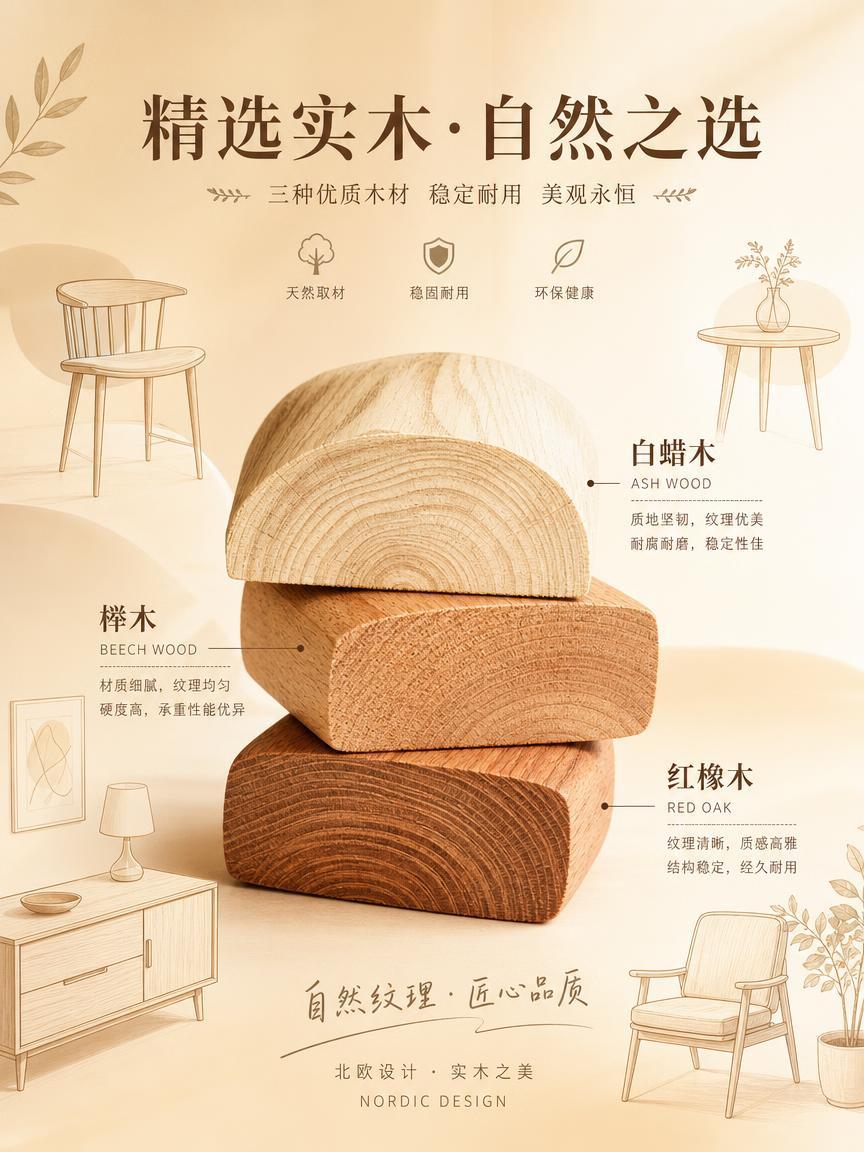
1. First, let’s make a distinction: cost-effectiveness ≠ the cheapest, which is “adapted to the market + stable and durable + low overall cost”
If low-priced wood is easy to crack, has large color differences, low yield rate, and has many after-sales claims, the long-term total cost will be higher. To judge the cost-effectiveness of wood, look at 5 core indicators:
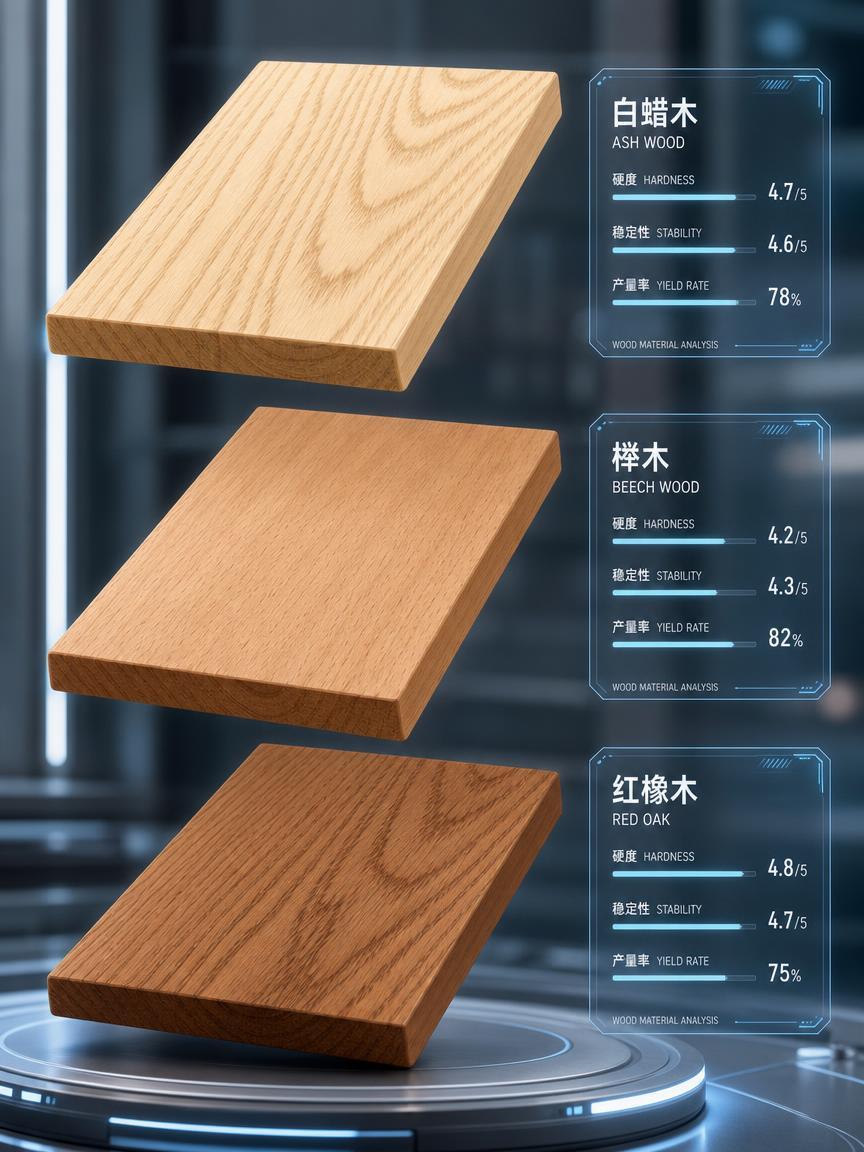
Hardness and stability (resistance to deformation, cracking, bumping)
Yield rate (how many finished boards can be produced from the same cubic log, and the level of loss)
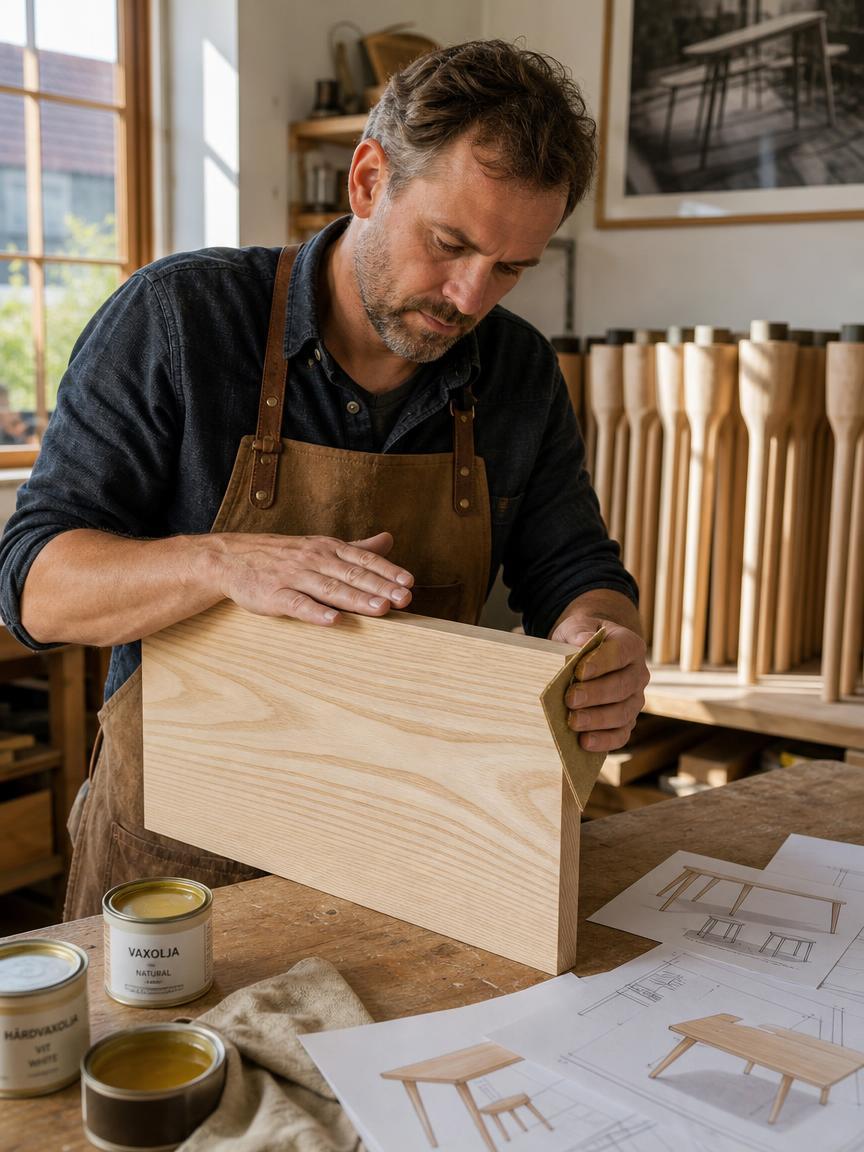
Color compatibility (compatible with Nordic clear water paint/wood wax oil, no additional coloring cost)
Regional adaptation (exporting humid Southeast Asia/dry European and American heating room performance)
Comprehensive cost of procurement, processing and shipping
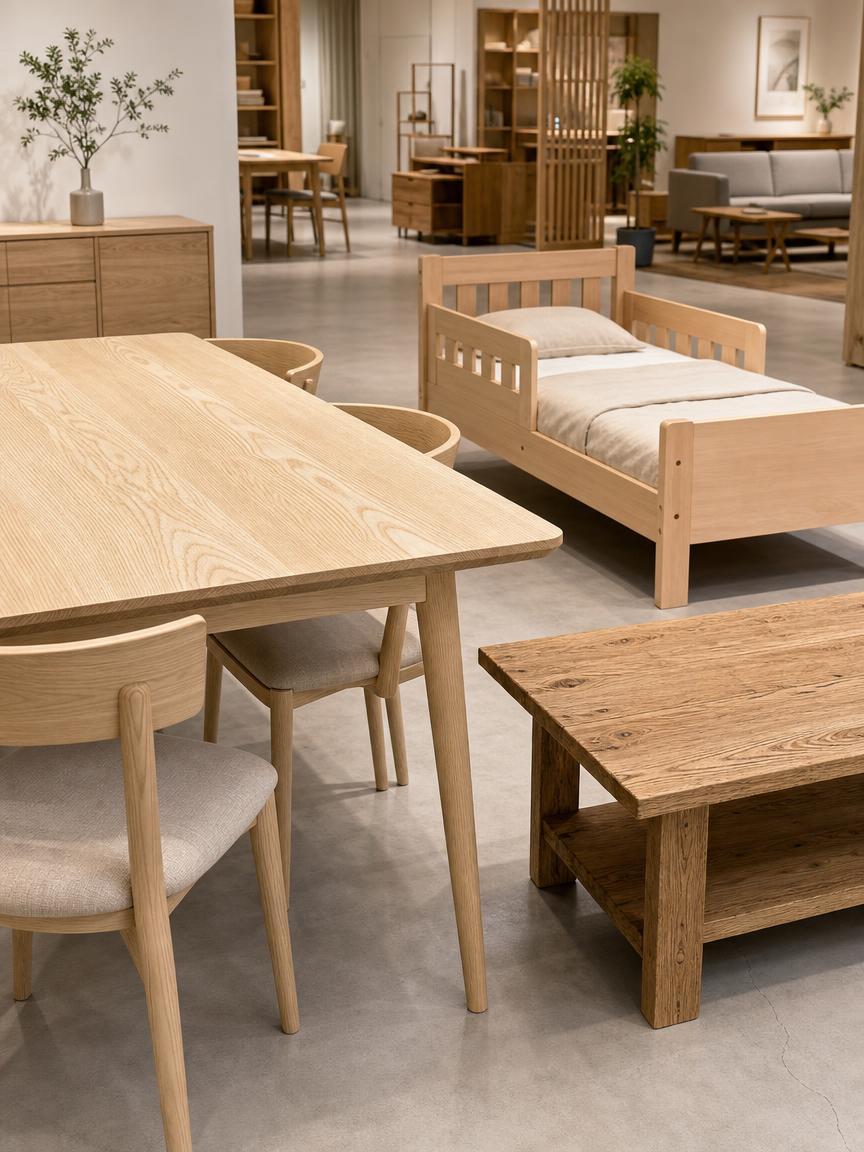
2. Ranking of cost-effectiveness of wood in each price echelon (mainstream materials for foreign trade furniture)
1. The king of balanced cost performance (the first choice for Nordic furniture exports, ash/beech)
① Ash
Advantages: The texture is transparent and clean, and the light wood color perfectly suits the Nordic minimalist style; it has medium hardness, strong toughness, and is not easy to break; it is stable in drying and has small dry and wet deformation; it is smooth in cutting and polishing, and even in color, without the need for additional manual color correction; the global supply is sufficient, and the purchase price is much lower than black walnut and white oak.
Short board: The density is lower than oak, and sharp and heavy objects are prone to leaving shallow scratches; large-area wide boards have slightly more color differences, while narrow boards are almost flawless.
Suitable for: dining tables, bed frames, sofa frames, basic Nordic products for the whole house, popular products; popular products for small and medium-sized wholesalers, with the best overall cost.
② Beech
Advantages: The color is uniform and light beige, with almost no color difference, and the complete set of furniture has strong visual consistency; the texture is fine and feels smooth after polishing; the density is uniform, and the scrap rate of batch processing is extremely low; the price is lower than white wax and red oak.
Shortcomings: The texture is plain, without atmospheric landscape patterns, not suitable for high-end premium items; slight discoloration when exposed to high temperatures.
Suitable for: children's furniture, bedroom bed cabinet sets, simple small apartment furniture; suitable for orders that value complete sets without color difference and reducing screening loss.
2. Mid-to-high-end cost performance (with room for premium, cost controllable: Red Oak)
Advantages: The wood grain is rough and three-dimensional, and it is highly recognized in the European and American markets; it has high hardness, strong wear resistance and load-bearing capacity, and is resistant to manufacturing of dining tables and coffee tables; the global supply is stable, and the purchase price is about 30% lower than that of white oak.
Shortcomings: The pipe is thick, and making water-based wood wax oil requires an additional hole filling process, which slightly increases labor; humid environments absorb water slightly faster, and must be kiln dried in a standard way.
Suitable for: mid-to-high-end furniture in the North American and Middle Eastern markets; customers who want a solid wood feel but don’t want to bear the high price of white oak.
3. High-end just-need money (sufficient budget, high-end product line, no replacement, cost-effectiveness reflected in low after-sales loss)
White Oak, North American Black Walnut, Cherry
Features: high-end texture, stable moisture resistance, and strong price premium capability, but the cost of raw materials is high, so it is only suitable for high-end retail and brand OEM orders;
It is not suitable for mass shipments at low prices. Simply using it in bulk will increase the overall cost and the price/performance ratio is extremely low.
4. Low-priced and low-comprehensive cost-effective wood (only suitable for ultra-low-price street stalls, not recommended for long-term foreign trade orders)
Pine wood, rubber wood
Pine wood: The texture is too soft and will permanently leave pits when bumped. The heated room is easily cracked and deformed. After-sales claims are required.